How would you describe your relationships? Are you in touch with other people’s emotions? Do you know how they feel about different things?
To me, these are all important questions. I believe these aspects are the foundation for any successful relationship, regardless of whether it’s with your significant other, a parent, or a friend.
What I am describing is known as attunement.
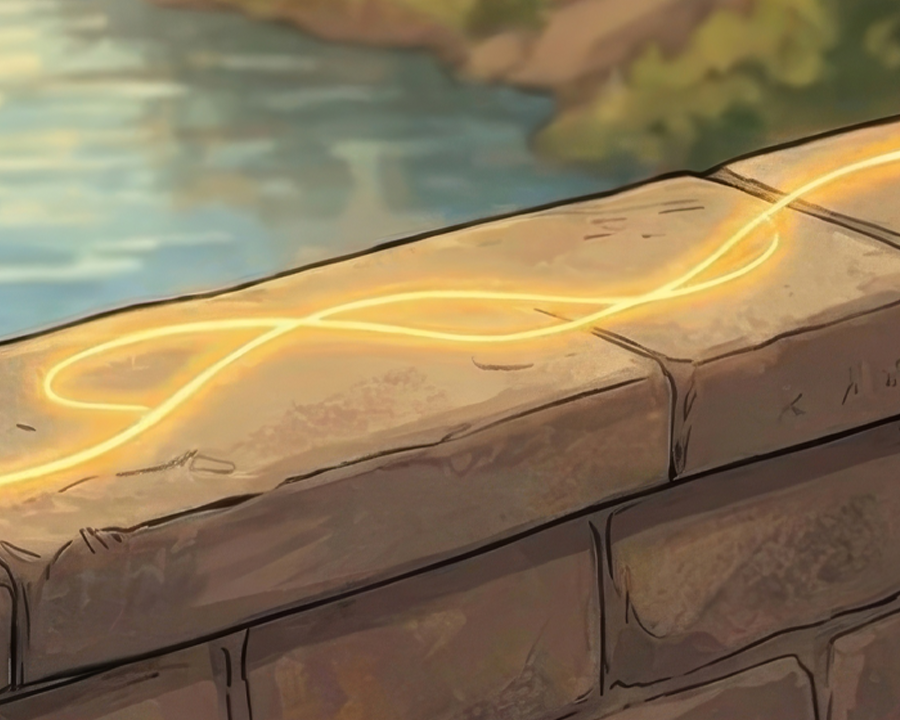
Attunement is the profound ability to connect with others on an emotional level. It’s about understanding their feelings deeply.
Attunement is the cornerstone of meaningful relationships and enables you to resonate with others’ experiences and respond empathetically. Attuned interactions encourage trust, respect, and intimacy, laying the foundation for strong and lasting bonds.
In this article, we’ll explore the essence of attunement, its pivotal role in nurturing relationships, and practical ways to enhance this crucial skill.
What Is Attunement?

Attunement is a multifaceted concept crucial for building strong, meaningful relationships. At its core, attunement involves empathy, which is the ability to understand and share the feelings of other people. Attunement also encompasses active listening, tuning in to both verbal and nonverbal cues to grasp the other person’s emotions and thoughts. Emotional intelligence plays a key role in attunement as it allows you to manage your emotions and respond appropriately to others.
In relationships, attuned behavior is evident in various ways. It can be seen when you comfort a loved one during a difficult time, when you actively listen to a friend and validate their feelings, or when a parent understands and responds sensitively to their child’s needs.
Attunement deepens connections as it creates a sense of emotional safety and validation. When you (or anyone else) feel understood and accepted, trust and intimacy naturally develop in the relationship. This heightened understanding also leads to more effective communication, as you are better able to express yourself authentically and feel heard and valued by your partner.
The Consequences of Poor Attunement
The absence of attunement in relationships can lead to a host of negative outcomes, affecting both individuals and the relationship as a whole.
I experienced this many times throughout my life. My mother never really tried to understand me or what was going on with me. In turn, I didn’t know how to attune with others, especially with romantic interests. My relationships were fraught with tension, I would frequently break things off because I didn’t know how to “fight well,” and I allowed my partners to treat me poorly.
Poor Conflict Resolution
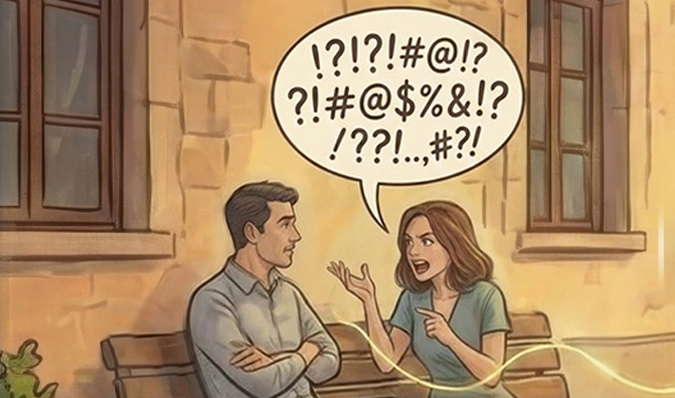
Misunderstandings are common when there is a lack of attunement, as you may misinterpret each other’s intentions or emotions. This can escalate into conflicts, as the lack of understanding breeds resentment and frustration. You may fight with your significant other, parent, or friend which can lead to name-calling, false accusations, and even verbal or physical abuse.
Being Emotionally Distant
Emotional distance is another consequence of insufficient attunement. When you feel that your emotions are not acknowledged or understood, you may withdraw emotionally, leading to a sense of disconnection and loneliness in the relationship.
My relationship with my mother comes to mind. She didn’t always know what was happening in my life and that led to me hiding out in my room or seeking out the companionship of friends instead. Later on, my mother’s emotional distance from me resulted in her siding with my ex-wife during my divorce. Somehow, they forged a better connection at that time than I had with my mother.
Lower Mental Health
The long-term emotional and mental effects of a lack of attunement can be profound. Research suggests that individuals in emotionally disconnected relationships may have poor mental health. You may be more likely to experience anxiety, depression, and low self-esteem. You may also have difficulty forming secure attachments in future relationships, perpetuating a cycle of emotional unavailability.
Benefits of Attunement
Good attunement in your relationships can lead to a host of positive outcomes, enriching your connections with others.
Deeper Connections
It fosters stronger bonds, making you feel more connected and understood by your partner. This deepens the sense of intimacy and closeness between you.
Attunement also helps build trust. When you feel that your emotions are recognized and validated, you’re more likely to trust your partner and feel secure in the relationship, resulting in a healthy and lasting bond.
Better Conflict Resolution
Attunement enhances your conflict resolution skills. You’ll find that you’re better able to understand the underlying emotions driving conflicts and can address them more effectively. You can also identify and understand other people’s emotions better. It leads to more constructive and respectful conflict resolution which strengthens your relationship in the process.
Improved Self-Awareness
Greater personal growth and self-awareness can come from being attuned in relationships. By tuning into others’ emotions and perspectives, you gain insights into your own emotional responses and patterns. An increased sense of self-awareness can lead to personal development and a deeper understanding of yourself.

How to Nurture Attunement
Nurturing attunement in your relationships requires practice and commitment, but the rewards are immense. Here are some practical tips to help you develop your attunement skills and deepen your connections with others.

Practice Active Listening
Truly listening to others without judgment or interruption is essential for attunement. Active listening is about hearing other people out without judging them. Focus on understanding their perspective rather than formulating your response. Reflect on what you hear and paraphrase it back to the other person to ensure you understand them correctly. You can also ask questions to clarify what they mean.
Cultivate Empathy
Put yourself in the other person’s shoes to understand their feelings and experiences. Practice empathy by imagining how the other person might feel in a given situation or considering how you would feel.
Practice Empathetic Communication
Empathy goes both ways, and you can help the other person understand you better by using the right language. Use “I” statements to express your feelings and avoid blame or criticism. For example, you can say “I feel worried when I don’t hear from you in several hours,” instead of saying “You didn’t call.” Using personal language encourages open and honest communication which increases attunement.

Develop Emotional Regulation Techniques
Sometimes, it’s difficult to have empathy or understand your partner because your own emotions are running rampant. Learn to manage your own emotions effectively, as this will help you stay attuned to others’ feelings without being overwhelmed by your own. Techniques like deep breathing, mindfulness, or journaling can be helpful to make sense of what you are feeling.
Be Mindful of Nonverbal Cues
Pay attention to the other person’s body language, tone of voice, and facial expressions. Nonverbal cues can often convey more than words and provide valuable insight into others’ emotions. At the same time, consider that your body language can also speak volumes so keep an open posture and make eye contact with the other person.
Validate Emotions
Just like having empathy and listening actively, validating emotions can make a huge difference in attunement levels. Acknowledge and validate the other person’s emotions, even if you don’t agree with their perspective. This helps build trust and strengthens your connection.
Prioritize Self-Care and Self-Awareness
Taking care of yourself is crucial for nurturing attunement. Practice self-awareness to understand your own emotions and needs, and it will help you be more present and attuned to others.
Be Patient and Persistent
Developing attunement takes time and effort. Be patient with yourself and others as you figure out how to be better attuned.
One way to know if you are on the right track is to ask for feedback from others on how well you’re attuned to them. This can provide valuable insights and help you improve your attunement skills. It’s also an opportunity to have empathy, listen actively, and process your emotions.
Challenges and Pitfalls
Nurturing attunement in relationships comes with its own set of challenges, but overcoming these hurdles can lead to deeper connections and more fulfilling interactions. Understanding these challenges and having strategies to address them is key to maintaining attunement in your relationships.
One common challenge is emotional barriers which can hinder your ability to connect with others. These barriers may stem from past experiences or fears of vulnerability; this is something I’ve definitely experienced.
To overcome emotional barriers, practice opening up gradually and building trust with your partner. Communication is key—express your feelings and listen actively to theirs. It can be tough, but it’s worth it when those bonds become stronger.
Misinterpretations can also pose a challenge in attunement. Different people may express emotions in various ways, and cultural background and social context play a role in conveying emotions. You may be used to hiding your feelings while your partner’s family would have shouting matches to be heard. It’s important to be aware of these differences and clarify intentions through open and honest communication.
Cultural background and social context can significantly influence attunement in relationships. Understanding and respecting these differences is important to improve attunement across diverse settings. To bridge cultural gaps, engage in cultural sensitivity training, and actively seek to understand your partner’s perspective.
Conclusion
The goal of any relationship is to be there for each other, understand each other, and forge deeper connections. All of these things are part of attunement. Without attunement, strong relationships cannot exist.
In my case, a lack of attunement had negative consequences in my relationships with my parents, friends, and love partners. I had to make a conscious decision to do better and improve my attunement. It has paid off! My relationships and friendships now are stronger than ever—even if everything doesn’t always go as planned—and I’m grateful for that.
What about you? Are you ready for stronger connections?