Parents & Children
Should We Have a Child? Let’s Talk About It
Every couple gets to a point where they wonder: Should we have a child? It’s a huge decision, but with careful consideration, you’ll find the answers.
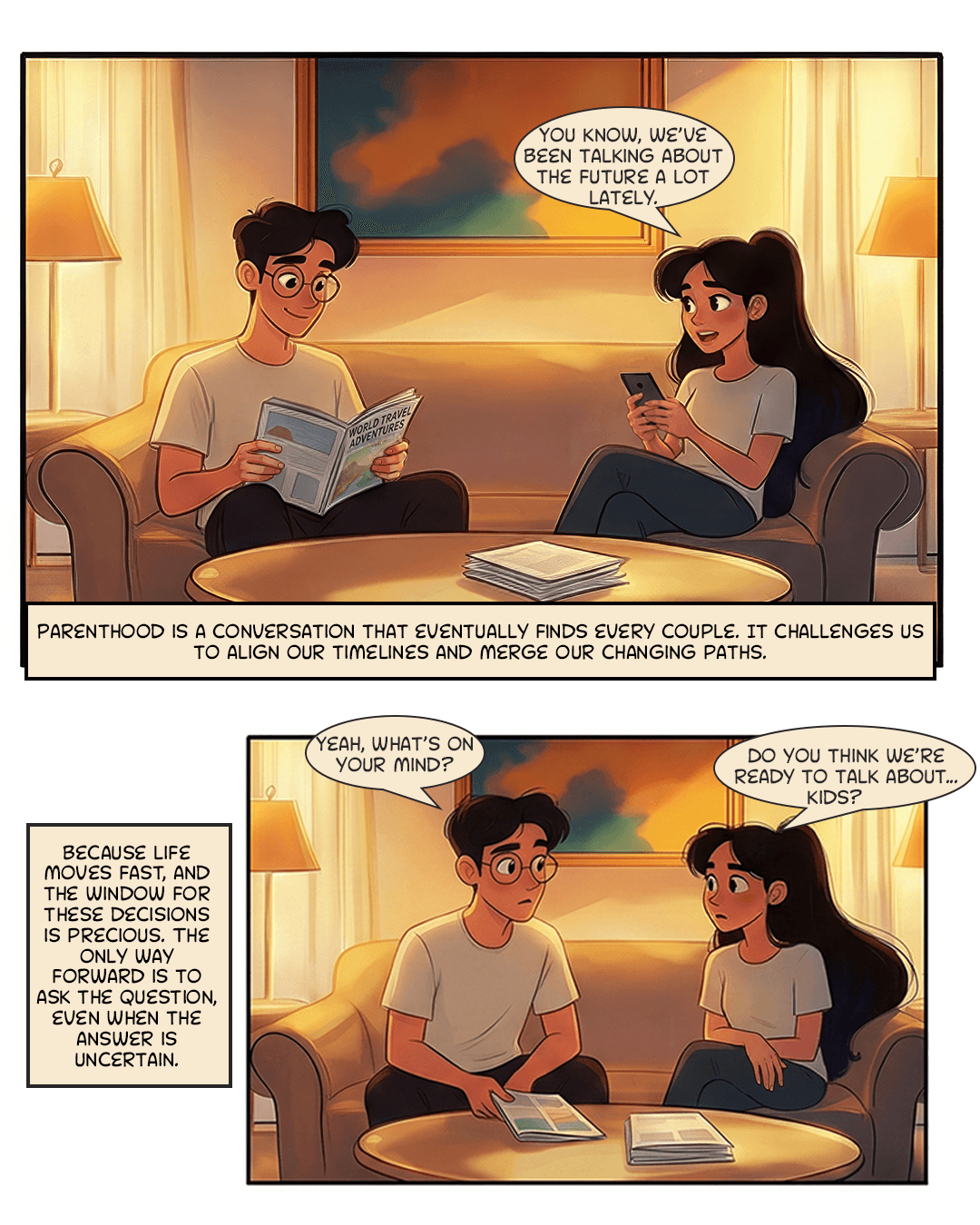
Should we have a child? That’s a loaded question.
It was one that I’ve had to discuss with partners in the past, and it’s not an easy question to answer. I’ve flipped between not wanting children to wanting them, and back again. I do have a daughter, but I don’t see her; my ex-wife made sure of that. I’ve also wondered about having another child since then.
Deciding whether to have a child is one of the most significant choices you'll ever make, whether you're in a relationship or considering going it alone. It's a decision that goes beyond the surface, touching on both the emotional and practical aspects of your life.
It’s an Individual Experience
When it comes to deciding whether to have a child, remember that everyone's journey is unique. Your feelings about parenthood are shaped by your personal history, upbringing, and current life circumstances.
Maybe you grew up in a large family and always imagined having kids of your own, or perhaps your childhood experiences make you hesitant. Each person's perspective is valid, and there's no right or wrong answer.
Your Past, Present & Future
Reflect on how your past influences your thoughts on becoming a parent. Consider the lessons you learned from your own parents or caregivers and how they shape your views on raising a child.
Your current life circumstances also play a significant role. Think about your career, your relationship status, and your support system. All these things impact your readiness for parenthood and the kind of parent you want to be.
It comes down to self-reflection. Spend a good of time thinking about your values, your goals, and what you envision for your future.
Parenthood is a lifelong commitment, and it's important that your decision aligns with your personal beliefs and aspirations. Ask yourself what kind of life you want to create and how a child fits into that vision.
What Resonates Best With You?
The decision to have or not have a child should resonate with your values and life goals. Parenthood should be a decision that brings you joy and fulfillment, not one made out of obligation or external pressure.
Trust your instincts and take the time you need to make a decision that feels right for you. Remember, this is your choice, and it's important to honor your unique path.
Talk About Children With Your Partner
Open and honest communication with your partner is important when the idea of children comes up. It’s a conversation that requires vulnerability and trust, as you'll be discussing deeply personal topics that will shape your future together.
Ensure that both of you are ready to have a meaningful dialogue and commit to being transparent about your feelings, hopes, and concerns. Listen to each other, and if necessary, take a break from the conversation to think about what has been said before making a final decision.
Let’s have a look at some of the talking points.
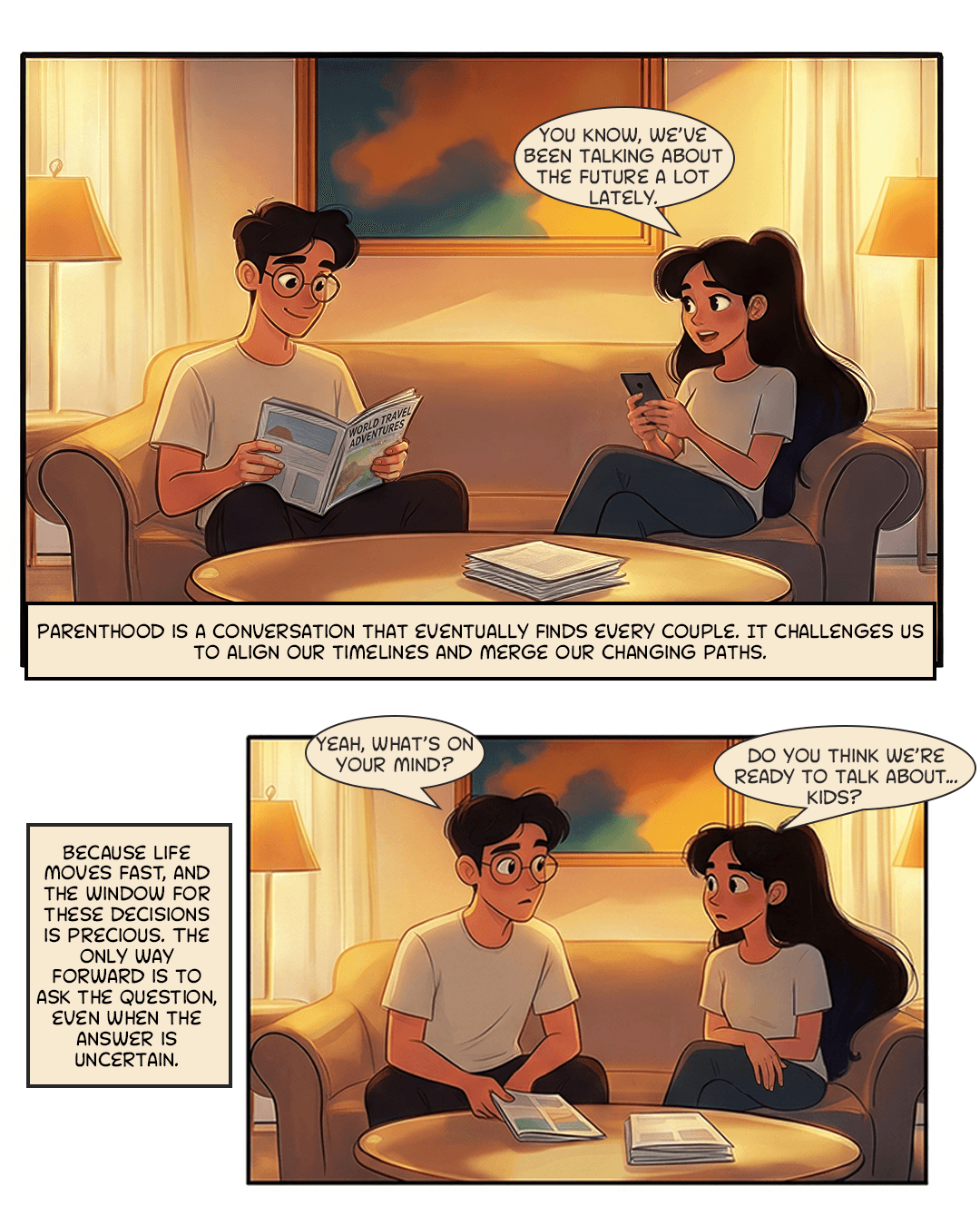
Personal Values and Fears
Begin by exploring your personal values and how they influence your thoughts on parenthood. Discuss what family means to each of you and how having a child fits into your vision of a fulfilling life.
Address any fears you might have about becoming parents. These could range from concerns about financial stability to worries about the impact on your relationship or personal freedom. Sharing these fears openly can help you both feel more understood and supported.
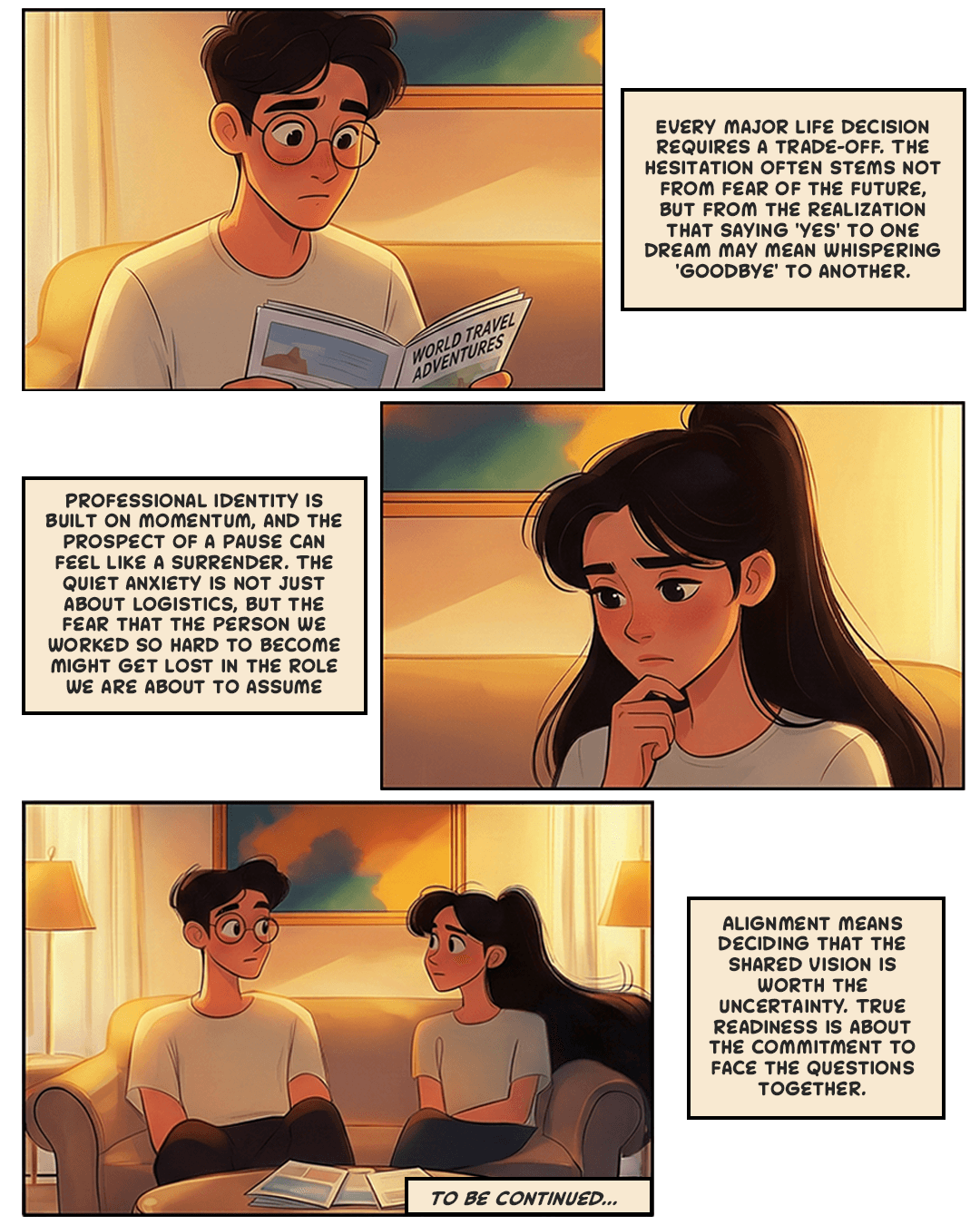
Hopes and Career Aspirations
Talk about your hopes and dreams for the future, both individually and as a couple. How do your career aspirations align with the prospect of having a child?
Consider how becoming parents might affect your professional goals and whether you're both willing to make the necessary adjustments. It's important to ensure that you're on the same page about how to balance career and family life.
Expectations About Parenting Roles
Discuss your expectations about parenting roles. Consider who will take on which responsibilities and how you envision sharing the workload. This includes everything from day-to-day childcare to long-term planning for your child's future, as well as who will look after the child if they become ill.
If you understand each other's expectations, it’s easier to prevent misunderstandings and ensure that both of you feel like you are sharing the workload.
Respect Perspectives
You and your partner may not have the same opinion about whether to have a child and how to raise a child. You may not always agree, but listen to each other's viewpoints with empathy and mutual respect to ensure you understand each other. Remember that your partner's feelings and experiences are just as valid as your own.
Strategies for Effective Communication
Active listening is extremely important when you discuss children. Give your full attention to your partner, avoid interruptions, and reflect on what they've said before you respond.
Show empathy by acknowledging your partner’s feelings and validating their experiences. Phrases like "I understand why you feel that way" can go a long way in creating a supportive dialogue.
Discussions about children should also happen at the right time. You don’t want to have them in the heat of the moment or without thinking about it previously. Choose a time and place where you both feel comfortable and free from distractions. Make it clear that this is a judgment-free zone. Be patient and give each other the time needed to process and articulate thoughts and emotions.
“We’ll Just Know” Is a Myth
The idea that you'll instinctively and unequivocally "just know" when it's the right time to have a child is often unrealistic. Deciding to become a parent is a complex and deeply personal choice, rarely accompanied by a sudden moment of clarity. Instead, it's a complex decision that involves many thoughts and emotions.
Feelings of uncertainty are normal and don't necessarily mean you're not ready. You might feel excited about the idea one day and apprehensive the next. This to-and-fro is part of the process and reflects the weight of the decision. It's important to acknowledge these mixed emotions rather than waiting for a moment of absolute certainty.
Some People Choose Not to Have Kids
You may feel that you don’t want children; that’s fine too. Deciding not to have children is a valid choice that many people make for various reasons. Questions, fears, and concerns often influence this decision.
Common Fears
The idea of being responsible for another human being 24/7 can feel overwhelming, so it’s no surprise that one of the most common fears is the potential loss of freedom. People worry about the financial burden of raising a child, from everyday expenses to long-term costs like education.
It’s also normal to be concerned about how having a child might impact your career. Many people fear that their professional growth might stall or that balancing work and parenting could become too challenging.
Personal identity is another factor; some people feel that becoming a parent might overshadow their individual pursuits and passions.
Emotional Concerns
Having a child is an emotional decision. You may worry about losing your partner's affection or the potential strain a child could put on your relationship.
Anxieties about parenting abilities, such as doubts about being a good parent or handling the responsibilities, are common. These emotional hurdles can be difficult to overcome and contribute to the decision not to have children.
Societal Pressures and Expectations
In some cases, especially in certain cultures, there is societal pressure on couples to have children, even if this isn’t what they want. While society often glorifies parenthood and expects people to have children, individual aspirations may differ. It's important to recognize and honor your own desires rather than giving in to external pressures.
Environmental and Ethical Considerations
An increasing number of people are deciding not to have children for ethical or environmental reasons. Concerns about overpopulation, resource depletion, and the state of the world can lead them to question the morality of bringing more children into a troubled planet. The desire to reduce one's environmental footprint and contribute to a more sustainable future can be a strong motivator for choosing a child-free life.
There Is No Single Right Choice
The decision to have children is personal and unique to you. There is no one-size-fits-all answer, and what feels right for one person might not be the best choice for you. It's important to recognize that not having children is a valid option. This decision is just as legitimate and meaningful as the choice to become a parent.
Don’t allow society to put pressure on you to follow a traditional path that includes having children. Instead, let personal fulfillment and happiness be the primary guiding factors in making this decision. Your life is yours to shape, and what brings you joy and satisfaction might differ significantly from societal expectations.
Whether you choose to have a large family, a single child, or no children at all, your decision deserves understanding and respect. It’s okay to embrace the diversity of experiences and recognize that there is no single right way to live a fulfilling life. Your choice, whatever it may be, should reflect your values, desires, and aspirations, and lead to a life that feels true and rewarding for you.
Filed under
- should we have a child
- deciding to have children
- parenting decisions
- parenthood
- couples communication
- child-free by choice
- parents and children
Continue Reading
Three more essays
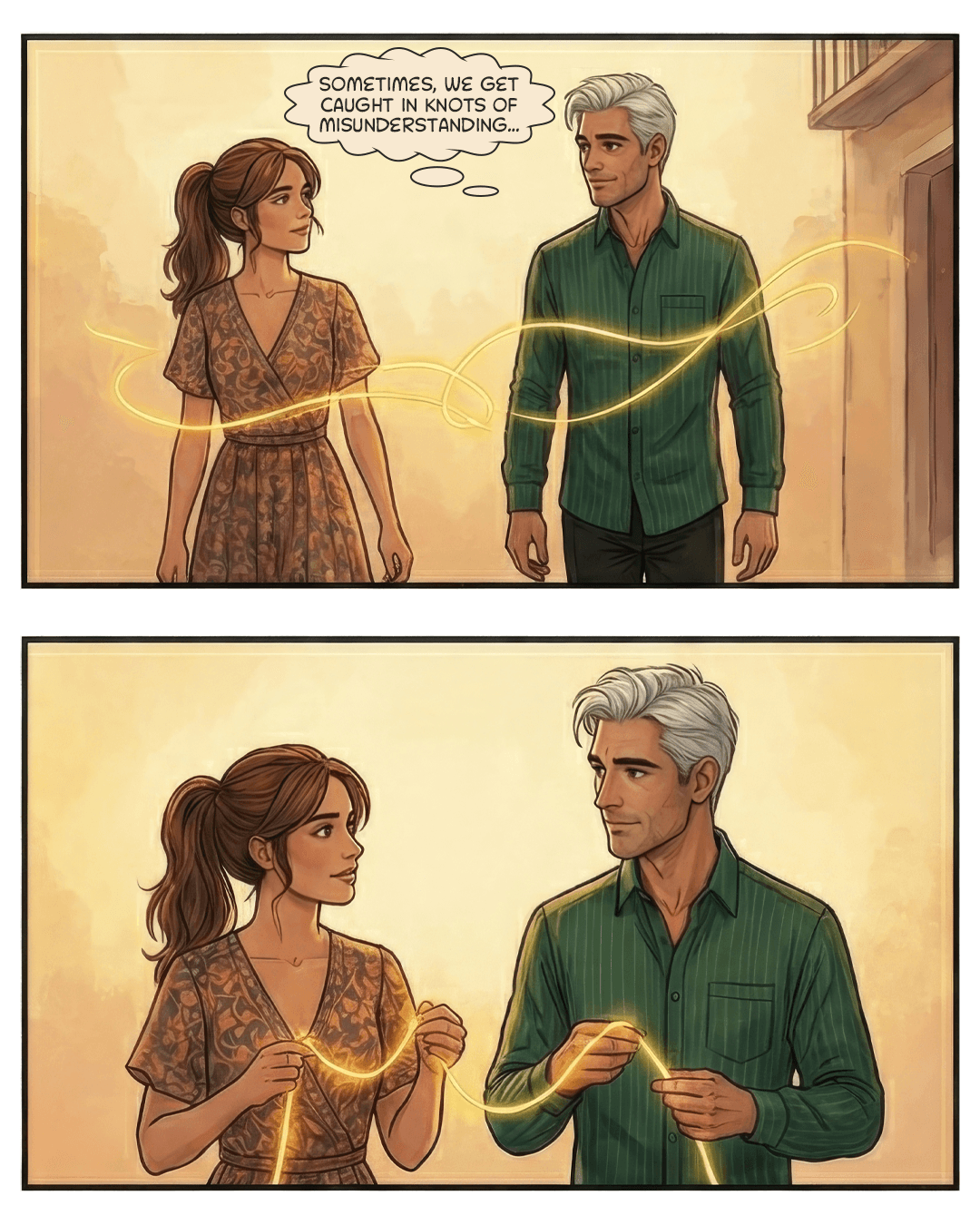 No. 01· Relationships
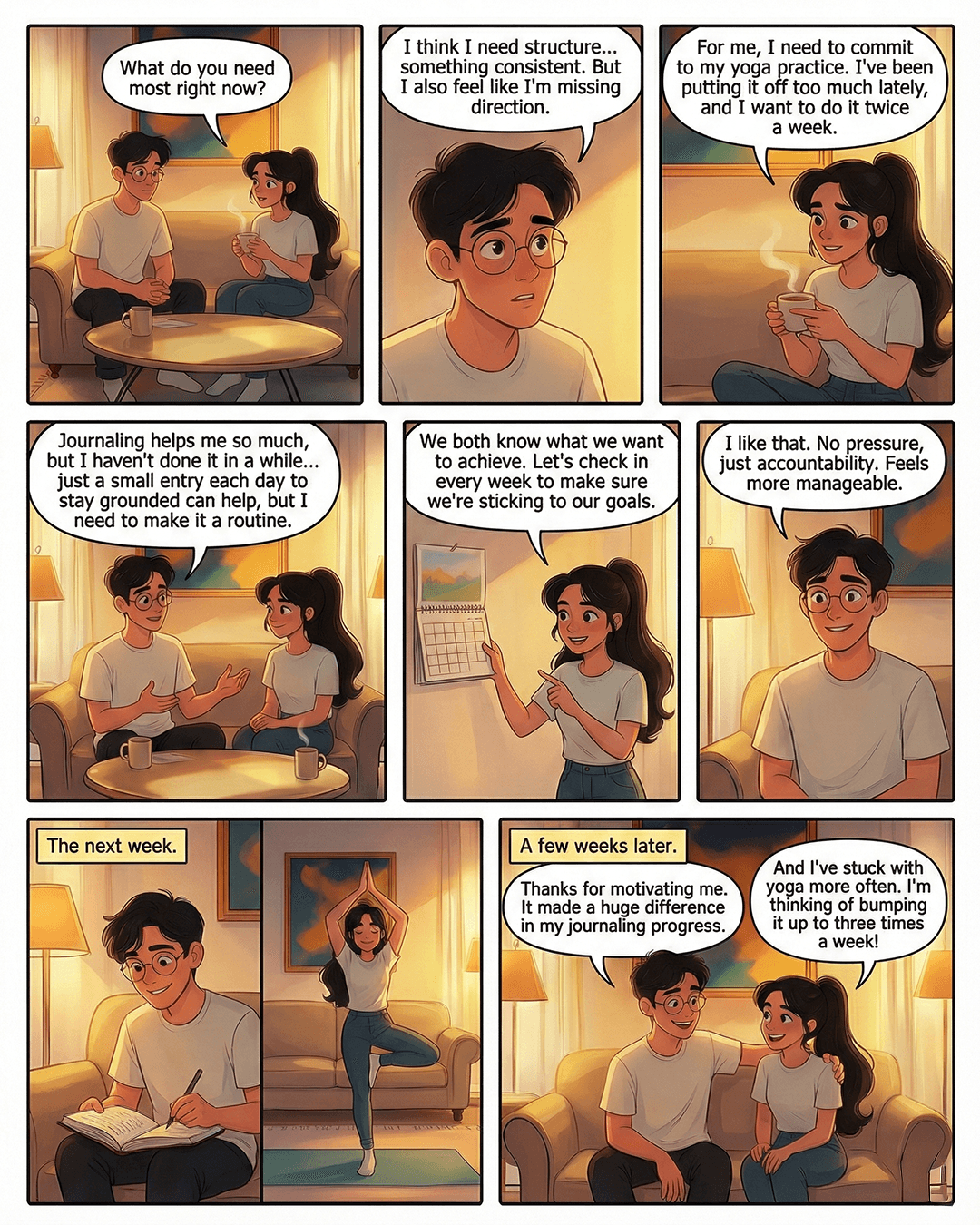
Nurturing Deeper Connections with Better Attunement
Learn how to nurture attunement in relationships for deeper connections. Explore practical tips, benefits, challenges, and strategies for greater understanding.
 No. 02· Self-Improvement
How To Make Self-Development a Priority
Do you want to become the best version of yourself? You need to embark on a journey of self-development. Here's how you can make it happen.
 No. 03· Habits/ Addiction
The Hidden Influences: Why People Develop Addictions
Why do some people develop addictions and others don't? It's a good question because many factors drive addiction. Here are some you need to know about.